
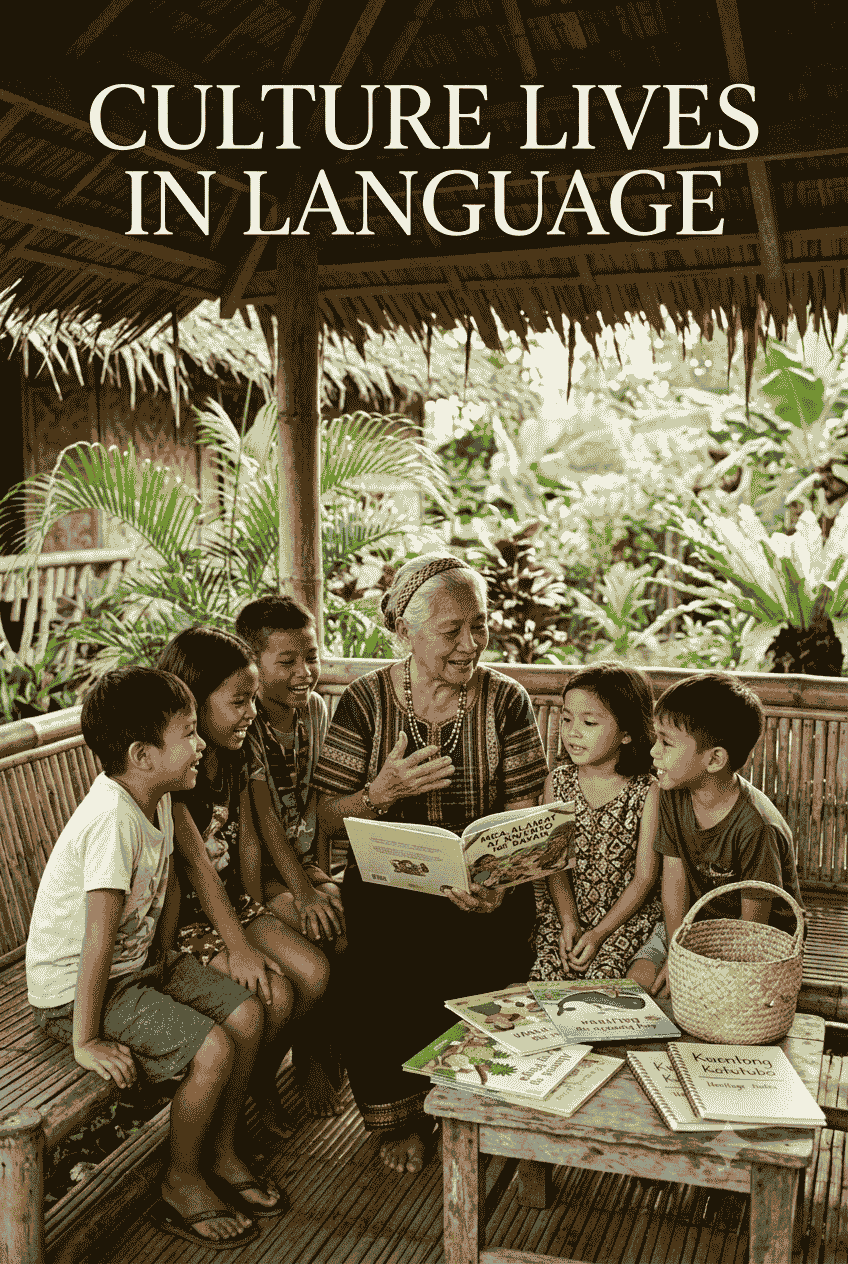
Culture Lives in Language
DOI:
https://doi.org/10.62596/sdk3en20Keywords:
Linguistic Diversity, Cultural Heritage, Language PreservationAbstract
Language is the foundation through which culture, history, traditions, and indigenous knowledge are preserved and transmitted across generations. This paper highlights the inseparable relationship between language and cultural identity, emphasizing the importance of protecting linguistic diversity amid globalization and technological change. It concludes that preserving languages strengthens cultural heritage, promotes social inclusion, and supports sustainable development.
References
Bromham, L., Dinnage, R., Skirgård, H., Ritchie, A., Cardillo, M., Meakins, F., ... & Hua, X. (2021). Global predictors of language endangerment and the future of linguistic diversity. Nature Ecology & Evolution, 6, 163–173. DOI: https://doi.org/10.1038/s41559-021-01604-y
Harrison, K. D. (2007). When languages die: The extinction of the world's languages and the erosion of human knowledge. Oxford University Press.
May, S. (Ed.). (2013). The multilingual turn: Implications for SLA, TESOL, and bilingual education. Routledge.
Piller, I. (2016). Linguistic diversity and social justice: An introduction to applied sociolinguistics. Oxford University Press. DOI: https://doi.org/10.1093/acprof:oso/9780199937240.001.0001
UNESCO. (2023). Global Education Monitoring Report 2023: Technology in education—A tool on whose terms? UNESCO Publishing.
Downloads
Published
Issue
Section
License
Copyright (c) 2026 ARTICULATOR GAZETTE

This work is licensed under a Creative Commons Attribution 4.0 International License.
How to Cite


